
Our new phone number: +44 208 226 5164
Email: sales@factorycabins.com
Call us: +44 208 226 5164
Email: sales@factorycabins.com
There is a lot to say about tiny houses. They are modern, stylish, and perfectly aligned with today’s lifestyle. Most importantly, they are affordable – or at least they should be.
Many people complain that tiny homes cost the same as a traditional build, and they’re not wrong. If you buy from companies that typically earn £100,000–£140,000 for a standard 2–3 bedroom house, the pricing will naturally reflect that. Unfortunately, the quality often doesn’t. Brick‑and‑block construction is pushed aggressively, and the results are rarely impressive.
So the real question is: what are you actually looking for?
You want an investment — something that holds value. You want a minimalist building that requires little maintenance, assembles quickly, and uses the best technology to stay warm in winter and cool in summer. Ground‑source heat pumps are a clear winner here; air‑source heat pumps, on the other hand, simply don’t deliver the same performance.
When it comes to design, we’ve been pioneers in tiny‑house construction for a simple reason: we understand the origins of the industry. The first tiny home was essentially a caravan — a small mobile structure built after the war to sit behind a Ford. A quirky little invention that eventually became the modern caravan. Caravans serve a purpose, but find me one that has increased in value over 50 years and you’ll be searching for a long time.
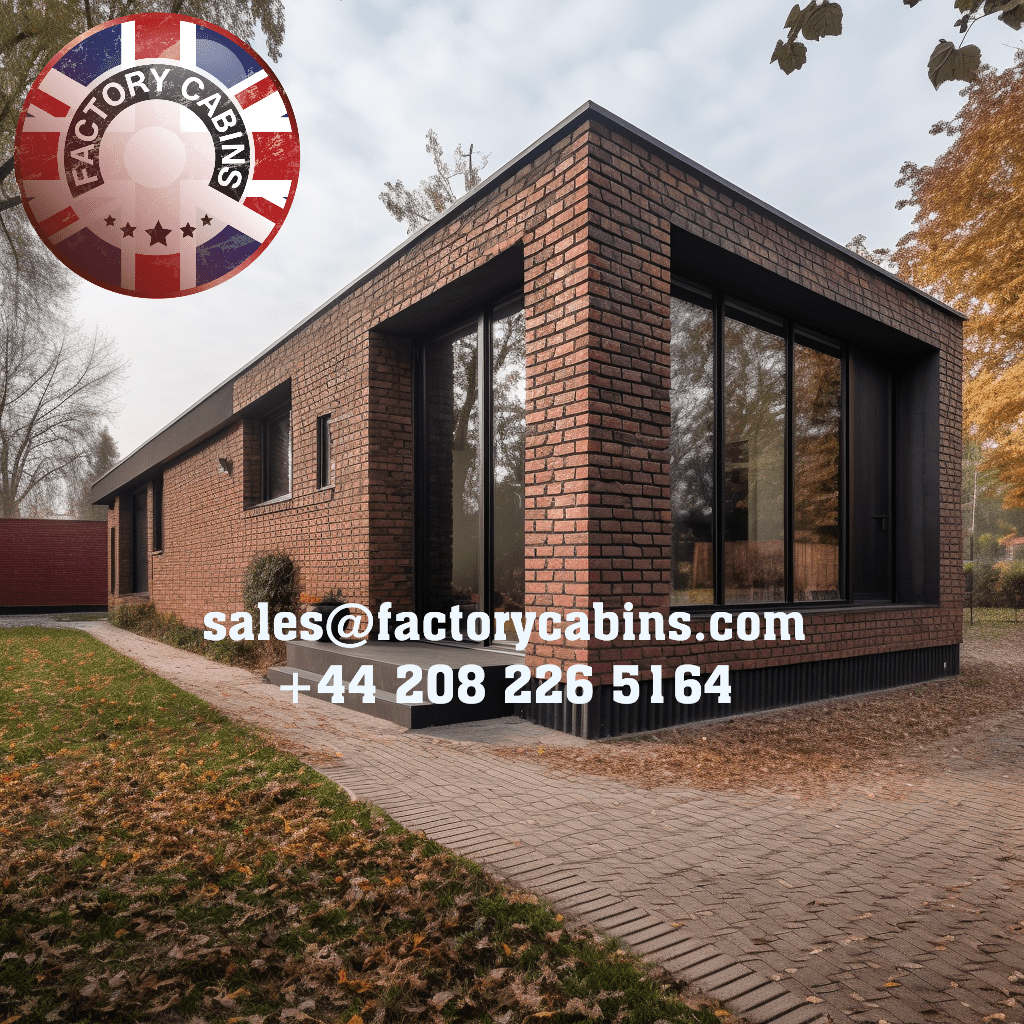
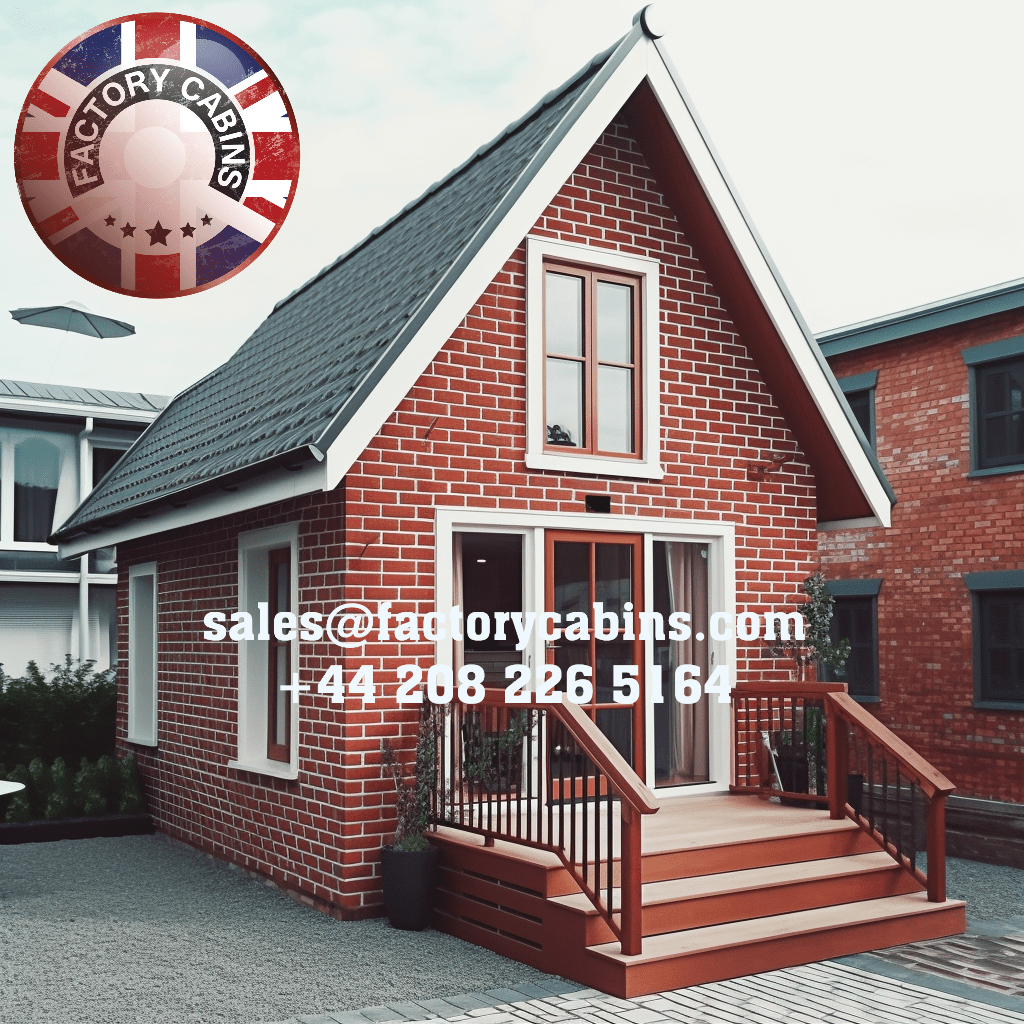
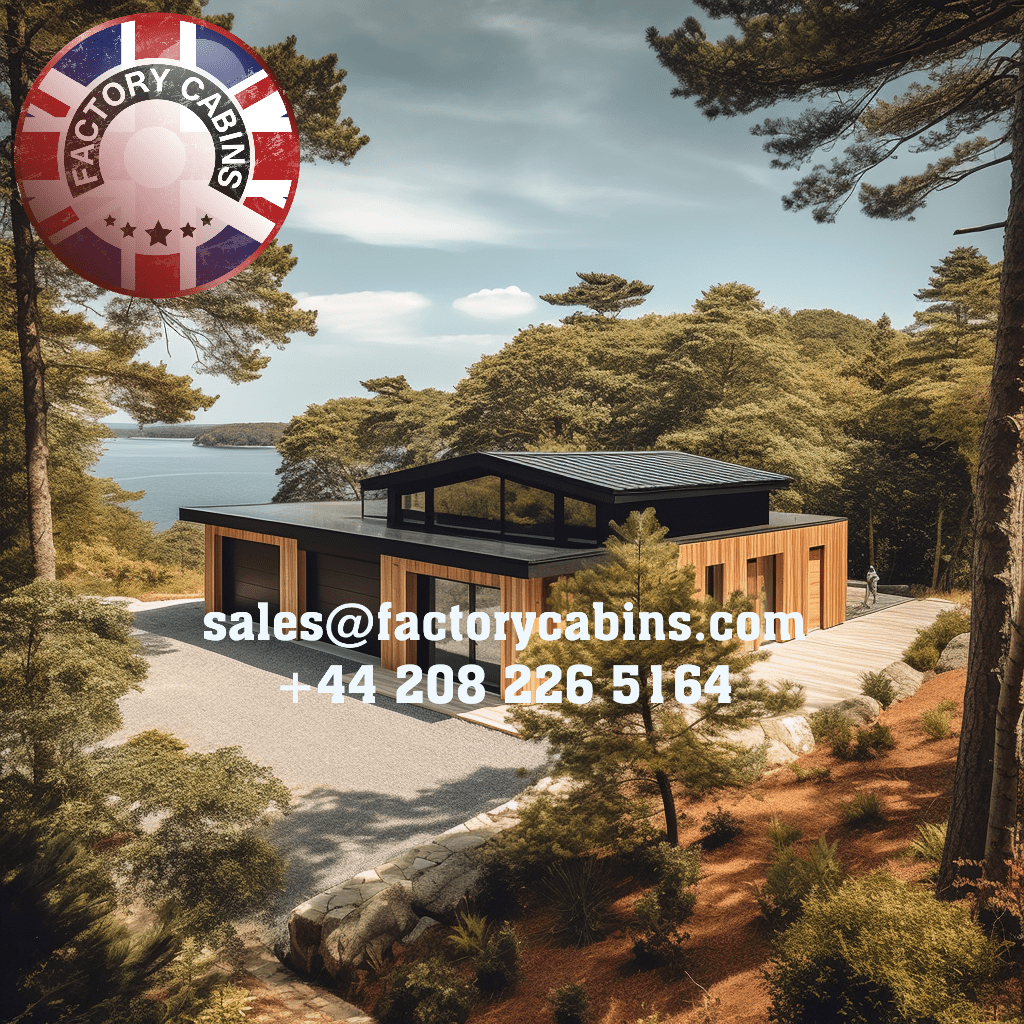
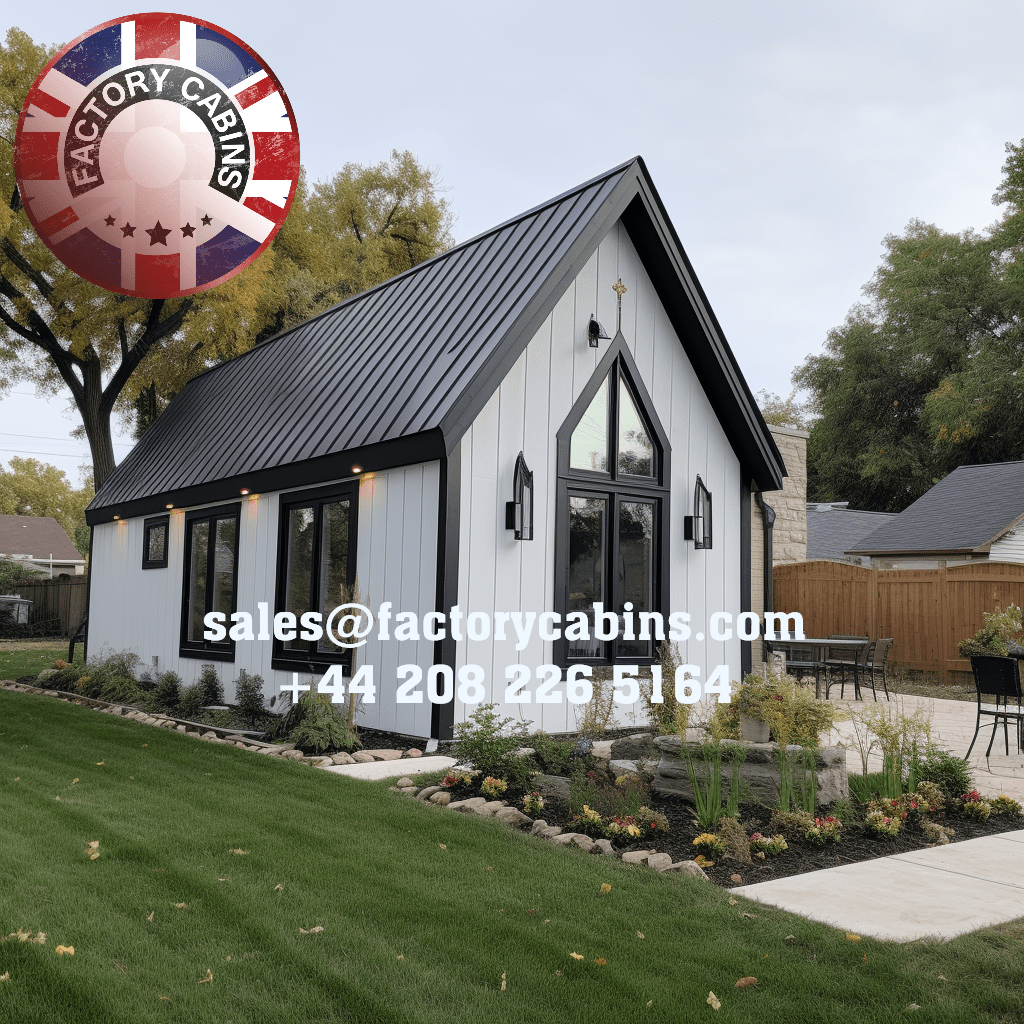
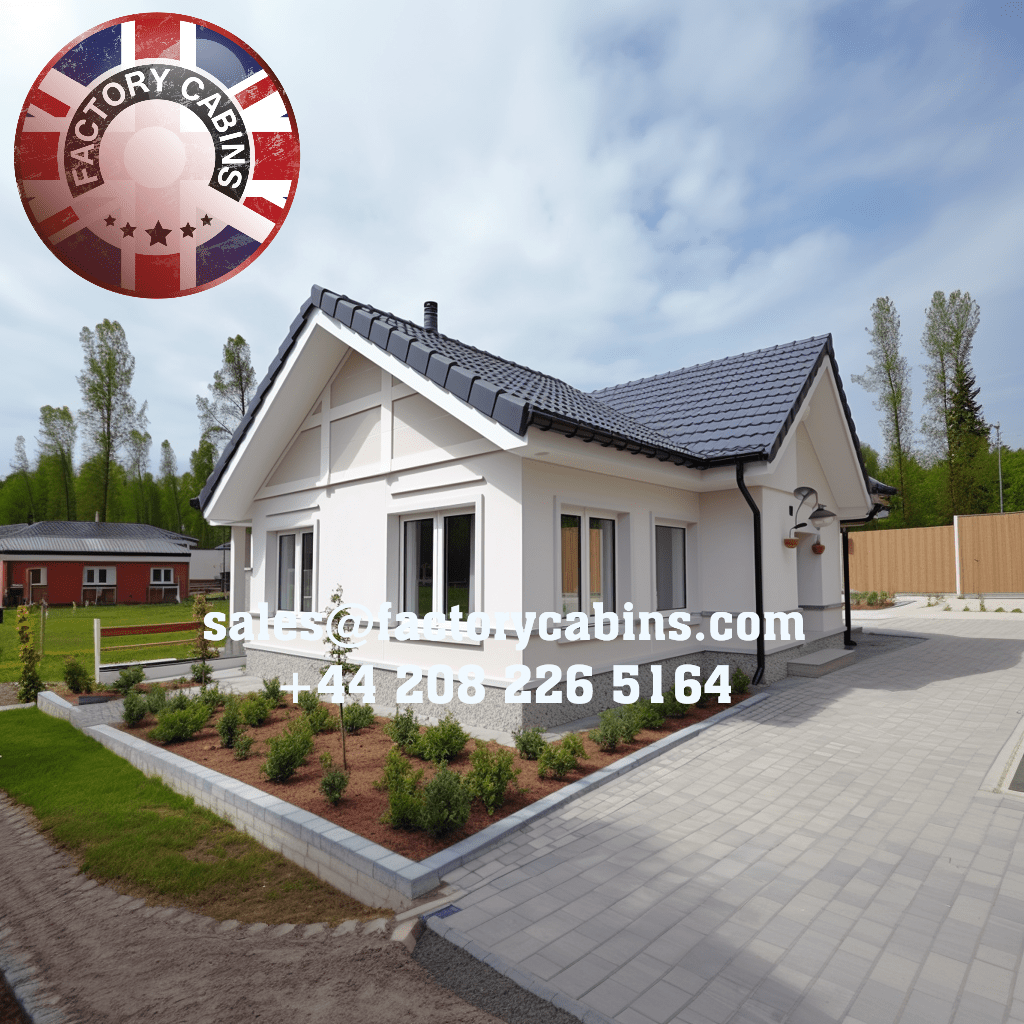
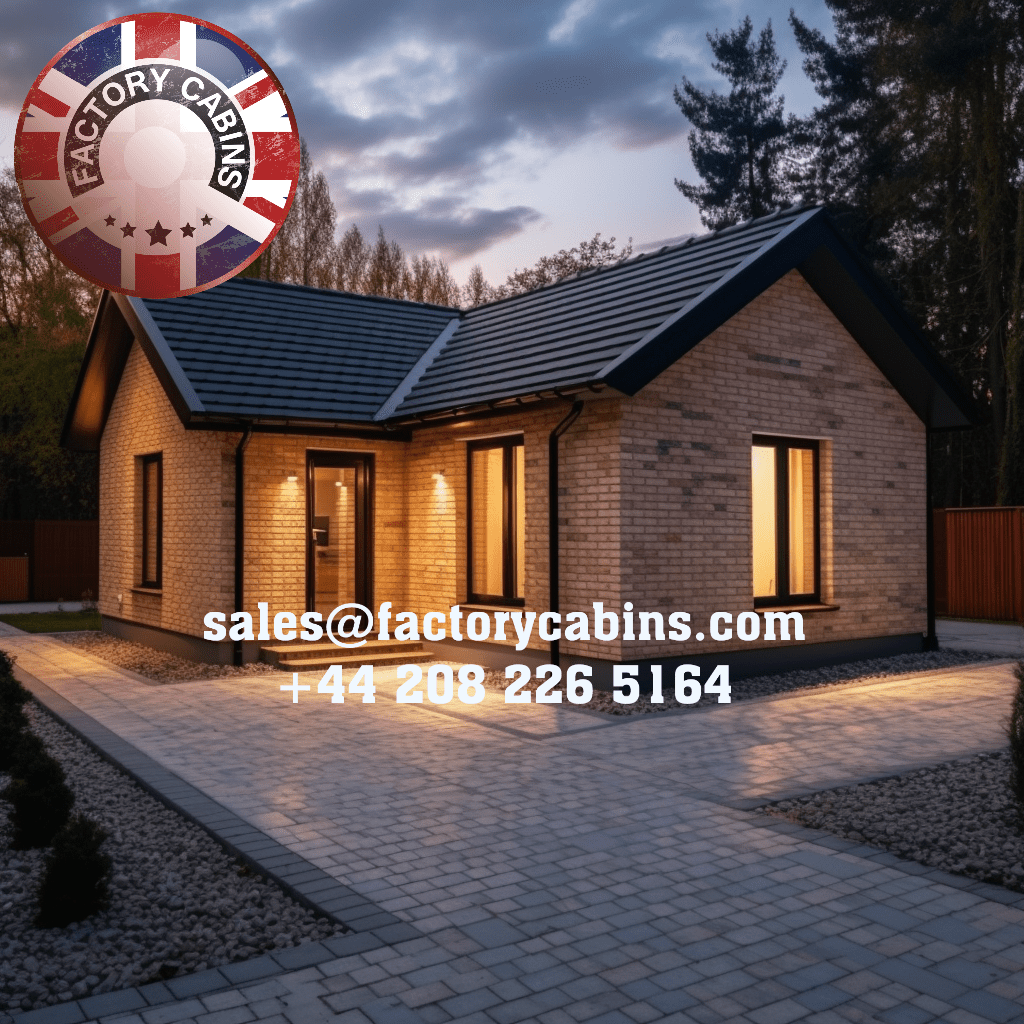
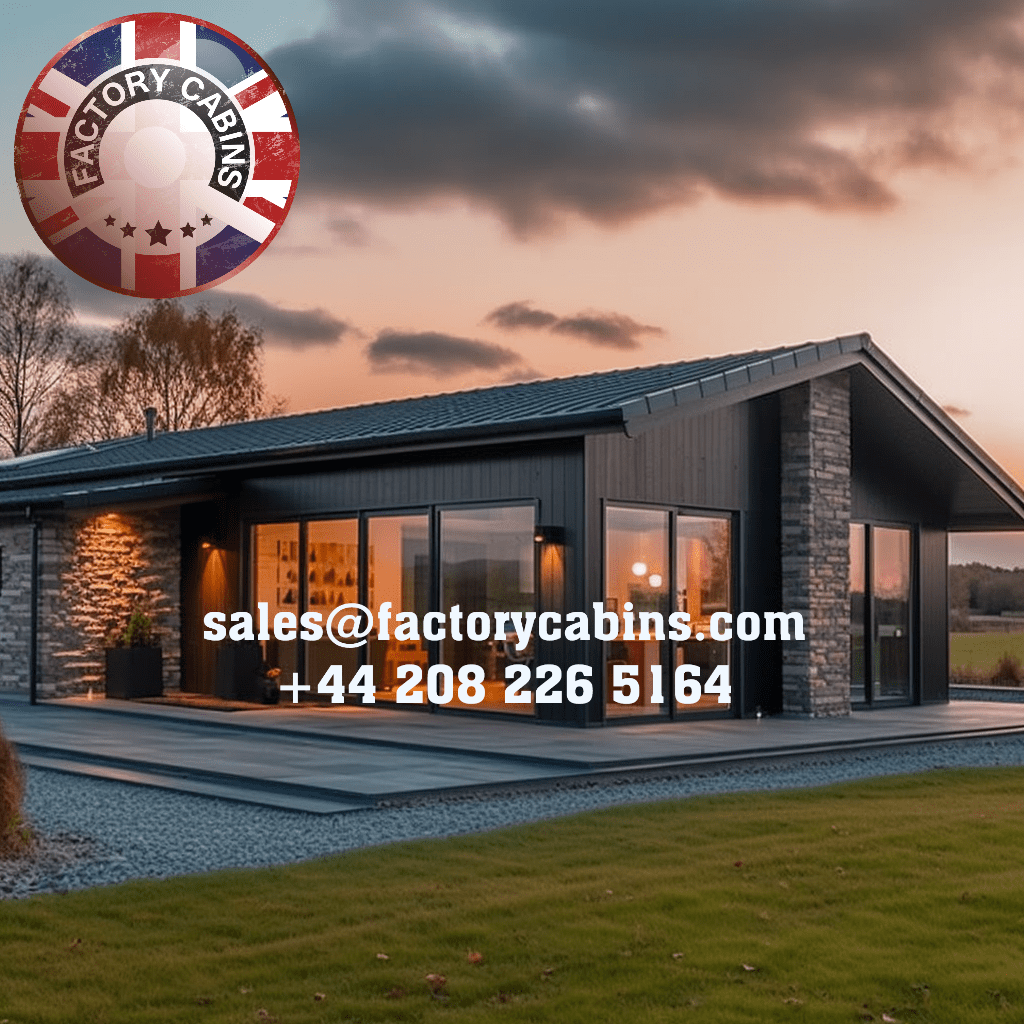
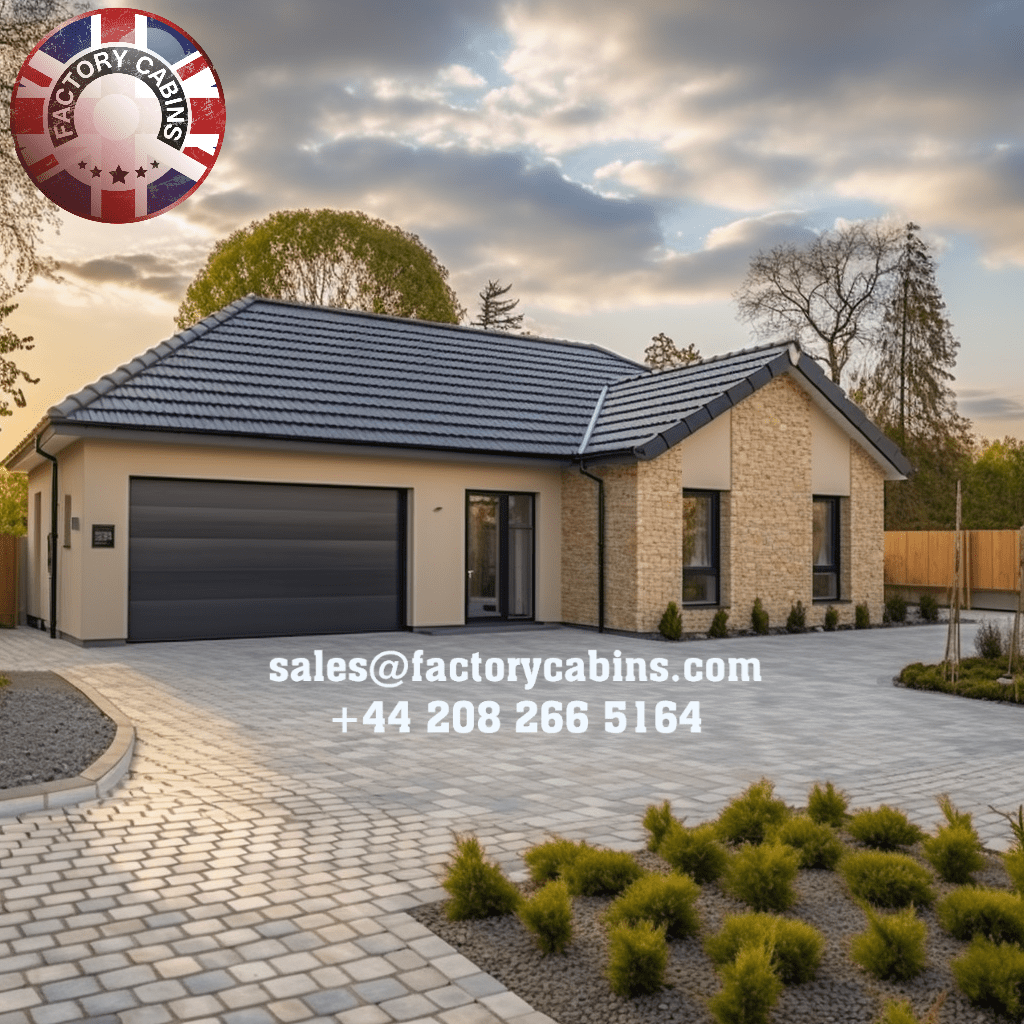
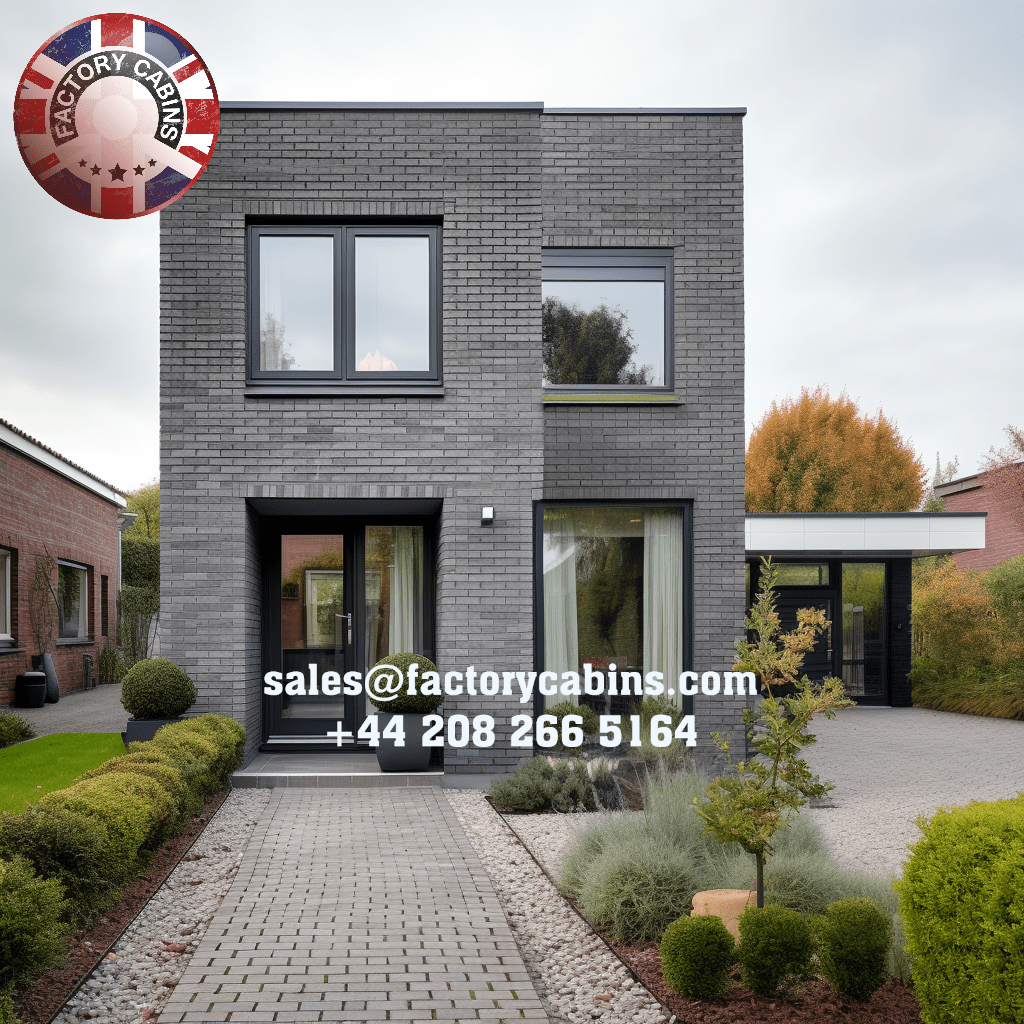
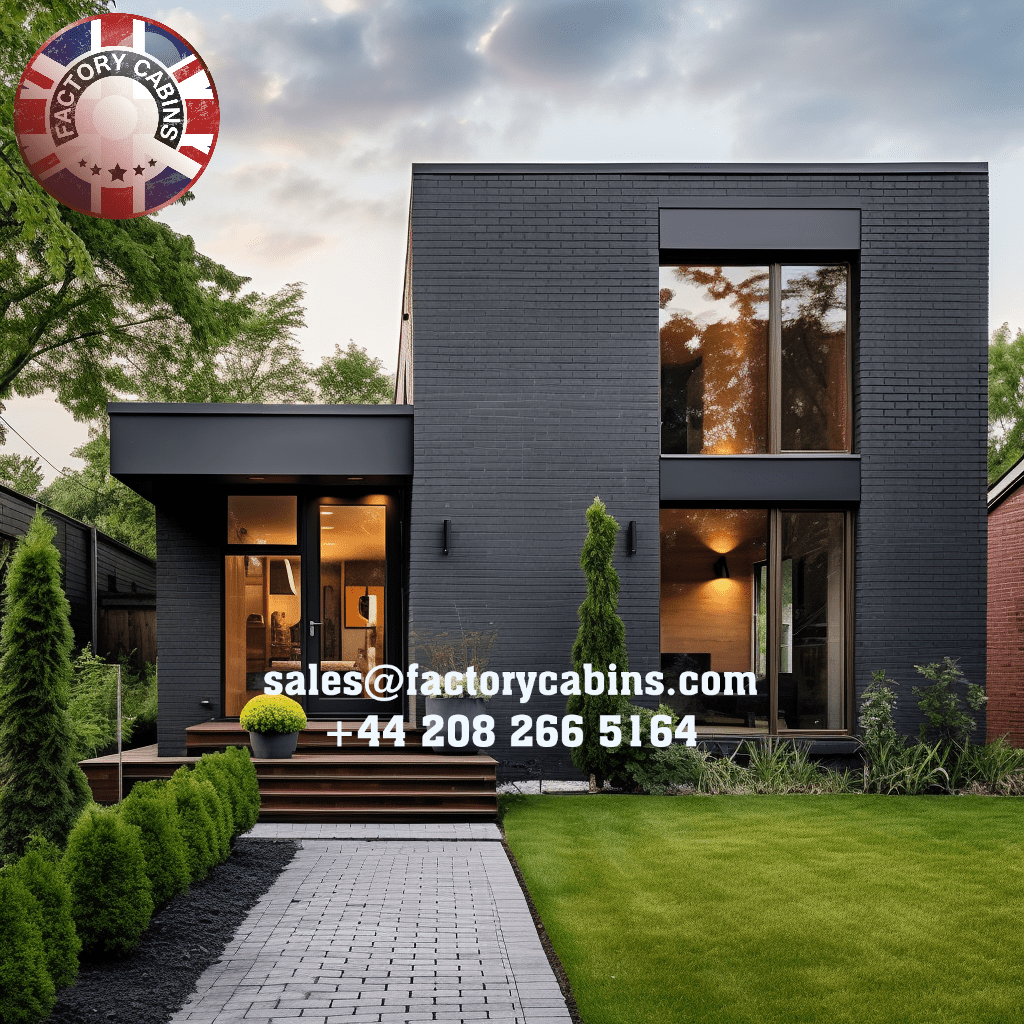
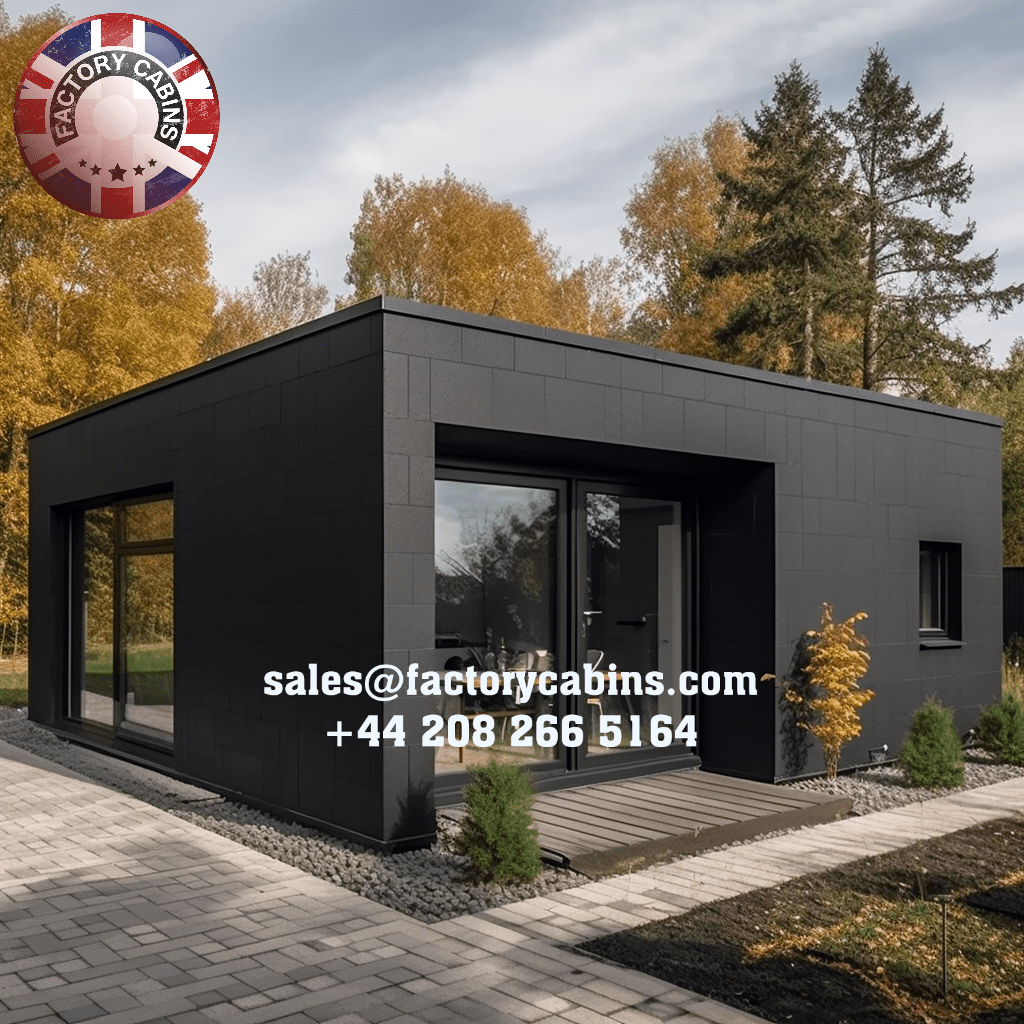
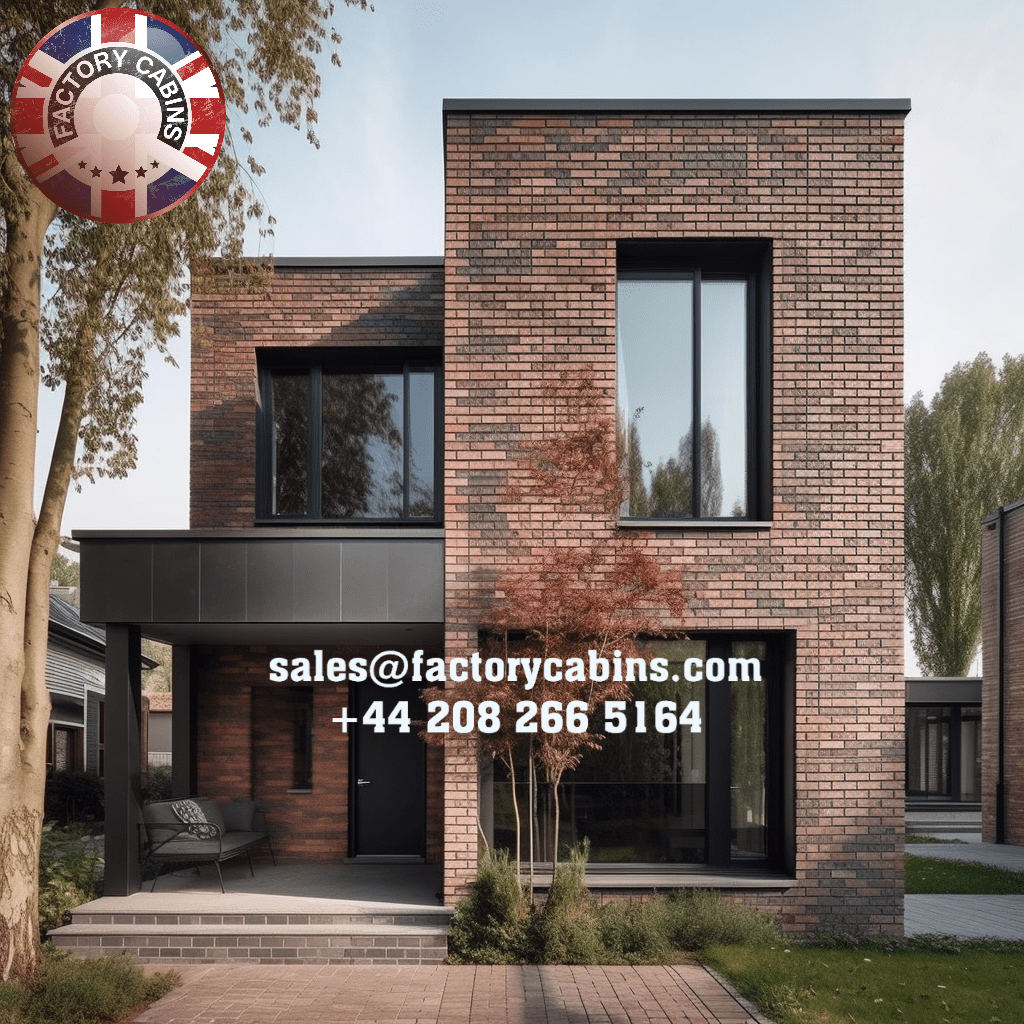
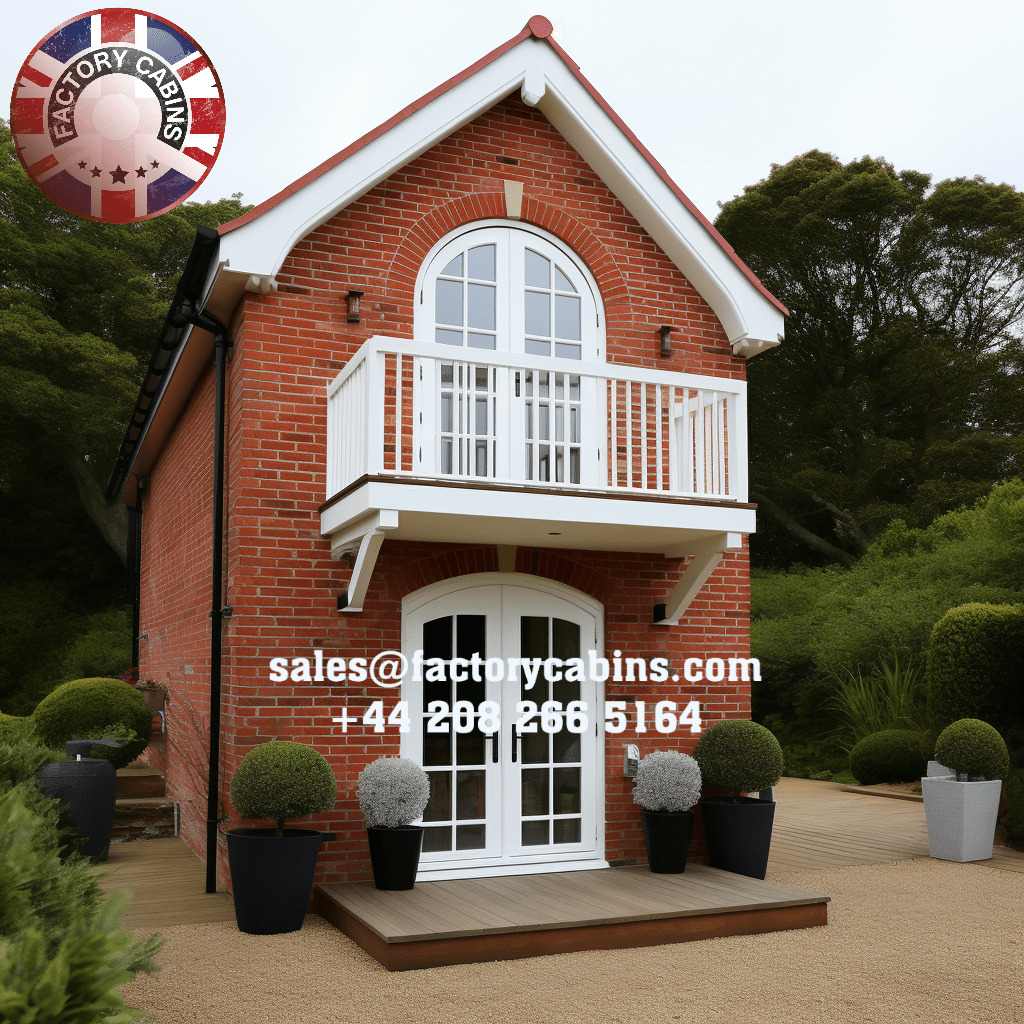
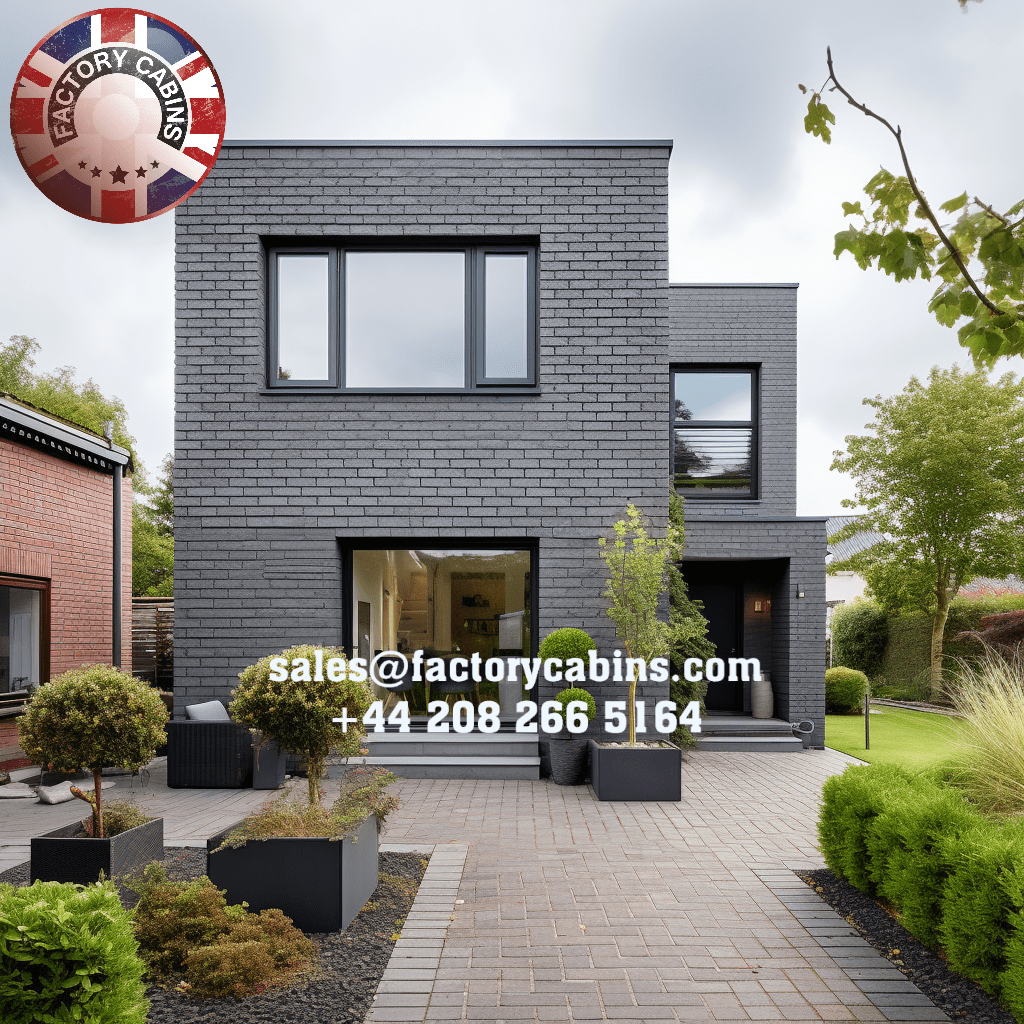
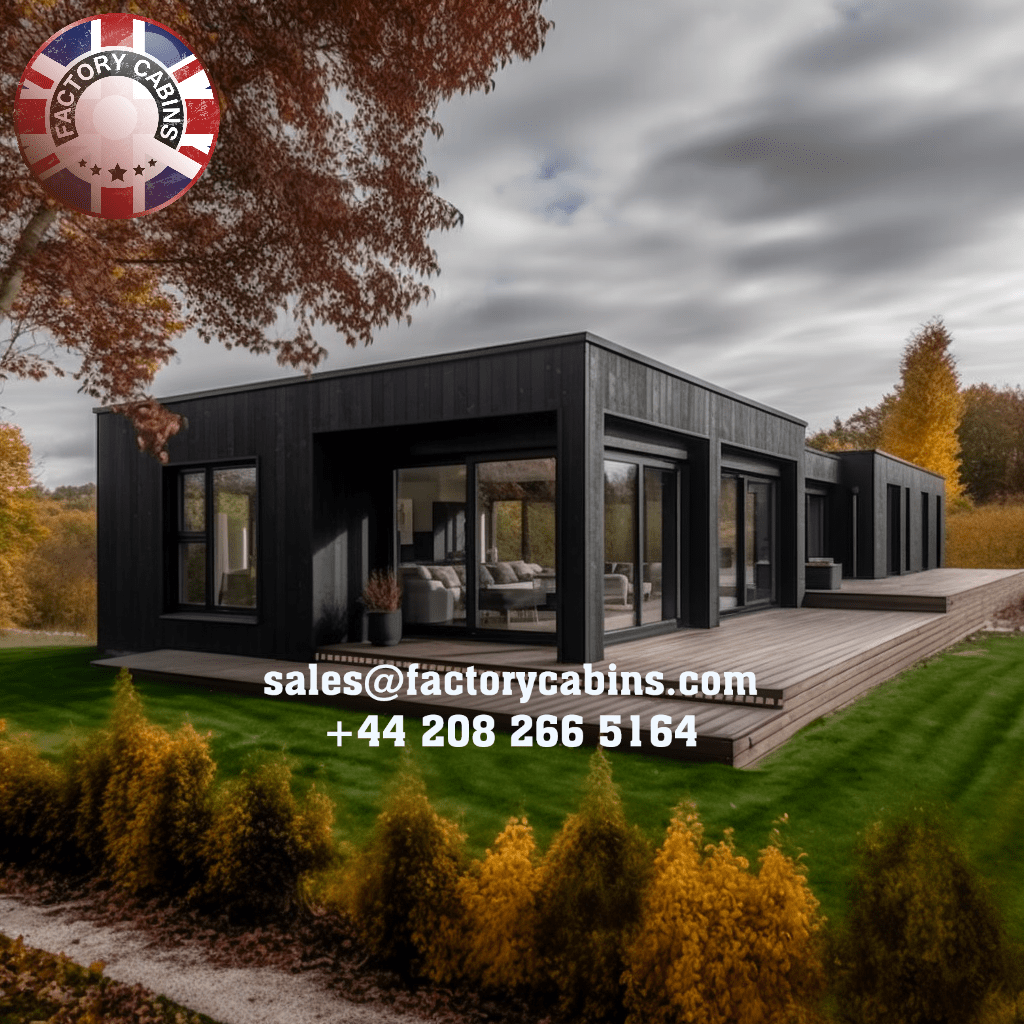
I’ve done my best to give you a sense of what’s possible, but I encourage you to explore our gallery. You’ll be surprised by how many styles you’ve never seen before — and how many are still in development.
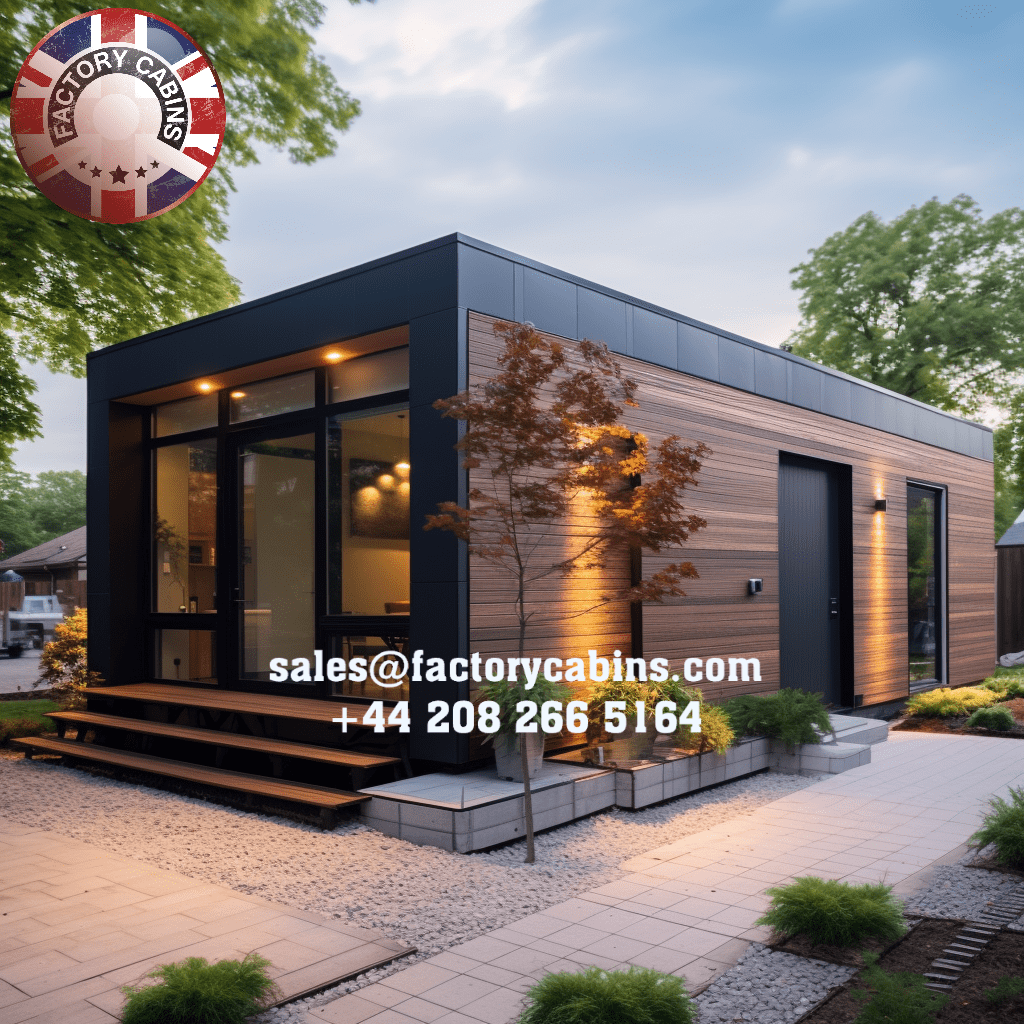
Tiny homes are the future of housing: half the price, fast to assemble, and available in an endless variety of designs.
Introduction (Refined for a Guide or Book Chapter)
A Step‑by‑Step Guide to Building Quality Factory Cabins and Other Small Homes
Tiny houses have captured the imagination of people seeking a simpler, more sustainable lifestyle. Ranging from 100 to 400 square feet, these compact homes challenge traditional ideas of homeownership and redefine what it means to live well in a small space.
At the same time, high‑quality factory‑built cabins are rising in popularity. These are not rustic log huts; they are precision‑engineered structures built in controlled environments, offering durability, efficiency, and a touch of modern elegance.
A Brief Historical Perspective
Although tiny living feels like a modern trend, its roots go back to the early 20th century. During the Great Depression, small, affordable homes provided essential shelter during difficult times. Today, the movement has returned — driven by economic pressures, environmental awareness, and a cultural shift toward minimalism.
Lifestyle and Cultural Shifts
More people are choosing experiences over possessions. Minimalism, sustainability, and financial freedom are motivating individuals to downsize and rethink what “home” truly means.
Environmental Impact
Tiny homes promote sustainability through reduced resource consumption and a smaller carbon footprint. Many incorporate composting toilets, rainwater harvesting, and energy‑efficient systems.
Quality Factory Cabins: A Growing Market
Factory‑built cabins have emerged as a response to the demand for well‑designed, durable, and aesthetically pleasing small buildings. Constructed with precision in controlled environments, they offer consistent craftsmanship that is difficult to achieve with on‑site builds.
Customization Options Available from the Manufacturer
Many people assume that factory‑built structures offer limited customization — but the opposite is true. High‑quality manufactured cabins provide a surprising level of architectural flexibility, allowing homeowners to tailor layouts, finishes, and features to suit their exact needs and preferences.
Quality Factory Cabins vs. Small House Net‑Zero Timber Frames
Understanding Dimensions: Why Size Matters
One of the biggest differences between low‑quality tiny homes and high‑quality factory cabins is size.
Tiny houses are often built on wheels for mobility, which limits their dimensions.
Factory cabins, however, are larger, more stable, and closer to traditional homes in comfort and usability — while still maintaining a smaller footprint than a standard house.
Budget Considerations
Tiny homes are often marketed as low‑cost solutions, but the reality can be surprising. Thanks to modern manufacturing techniques, premium factory cabins can offer better quality and more space at highly competitive prices.
Long‑Term Environmental Sustainability
Both tiny homes and factory cabins support sustainable living, but they do so differently.
Tiny homes focus on minimal resource use, while factory cabins emphasize long‑term energy efficiency through superior insulation, airtight construction, and high‑performance materials.
Designing a Comfortable Net‑Zero Timber Frame Home
Optimising Space
Efficient use of space is essential in any small home. Smart layouts, multifunctional furniture, and thoughtful architectural planning create living spaces that feel both comfortable and practical.
Innovative Storage Solutions
Clever storage is a hallmark of small‑space design. Built‑in furniture, hidden compartments, and staircases that double as drawers help maximise every inch while adding character and charm.
Eco‑Friendly Design Practices
Sustainable materials, passive heating and cooling strategies, and large windows for natural light are common features in well‑designed small homes. Many tiny houses incorporate reclaimed materials and environmentally conscious systems to reduce their footprint.
Outstanding Craftsmanship in Quality Factory Cabins
Precision Manufacturing
What sets premium factory cabins apart is the precision of their construction. Skilled craftsmen work in controlled environments using advanced technology to ensure every component is cut, assembled, and finished with exceptional accuracy.
Material Quality and Durability
Unlike on‑site builds that are exposed to weather during construction, factory cabins are built indoors under stable conditions. This protects materials, improves build quality, and results in a structure that is stronger and longer‑lasting.
Technological Advancements
Modern factory cabins benefit from innovations such as CAD design, automated cutting systems, and precision assembly. These technologies speed up production while allowing for greater customization and higher overall quality.
Legal Considerations for Tiny House Living
Zoning Laws and Regulations
Despite the growing popularity of tiny homes, zoning laws remain one of the biggest challenges. Regulations vary widely between regions, and many local authorities are still adapting to alternative housing models. Understanding local rules is essential.
Building Codes
Building codes add another layer of complexity. Requirements for minimum square footage, foundation types, and safety standards must be met, and these rules differ from one area to another.
Legislative Influence of the Tiny House Movement
As the movement grows, advocates are pushing for more flexible zoning and building codes that accommodate small, efficient homes. Progress is being made, but change takes time.
Financing Tiny Houses and Factory Cabins
Conventional vs. Alternative Financing
Financing a tiny home can be difficult because many lenders hesitate to issue mortgages for unconventional structures.
Factory cabins, however, are built to standards similar to traditional homes, making them easier to finance through standard mortgage products.
Government Support and Incentives
With sustainability becoming a priority, some governments offer grants or incentives for eco‑friendly construction. High‑quality factory cabins that meet energy‑efficiency standards may qualify for these programs.
Long‑Term Budget Planning
Regardless of the type of home, budgeting is essential. Both tiny houses and factory cabins require planning for construction costs, utilities, maintenance, and site fees.
Micro‑Living in Urban Areas
Urban Challenges
Tiny living in cities presents unique obstacles: limited space, strict zoning, and infrastructure constraints. Creative solutions are needed to make micro‑living viable in dense urban environments.
Community Integration
Tiny house communities are emerging across the UK and Europe, offering shared resources, social support, and a sense of belonging. In urban settings, community becomes even more important.
Urban Micro‑Living
Micro‑living extends beyond tiny houses — it includes compact apartments and innovative urban housing models. The principles of minimalism and efficient space use apply across all these formats.
Factory Cabins as a Solution for Rural Housing
Sustainable Rural Living
Factory cabins are ideal for rural environments, where self‑sufficiency and a connection to nature are highly valued. Many models can operate off‑grid, blending modern comfort with rustic charm.
Rural‑Focused Cabin Designs
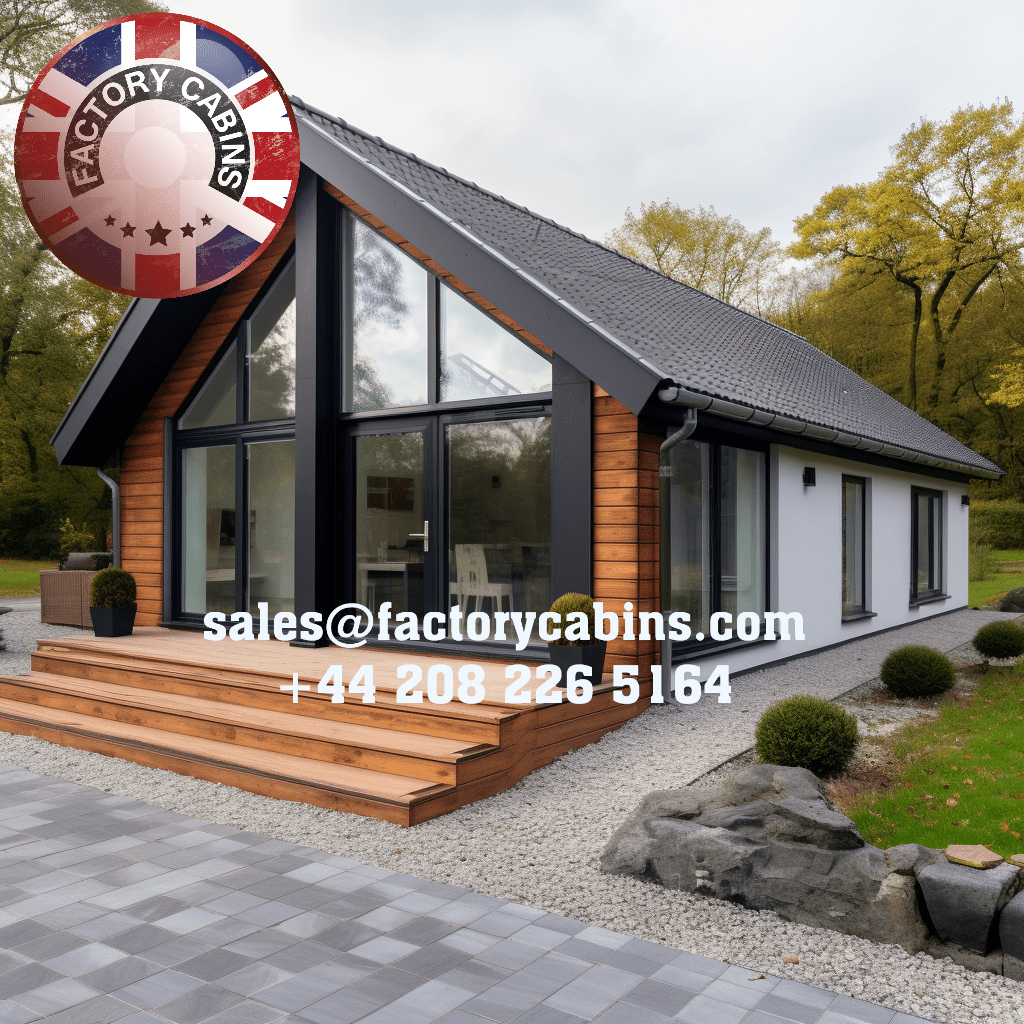
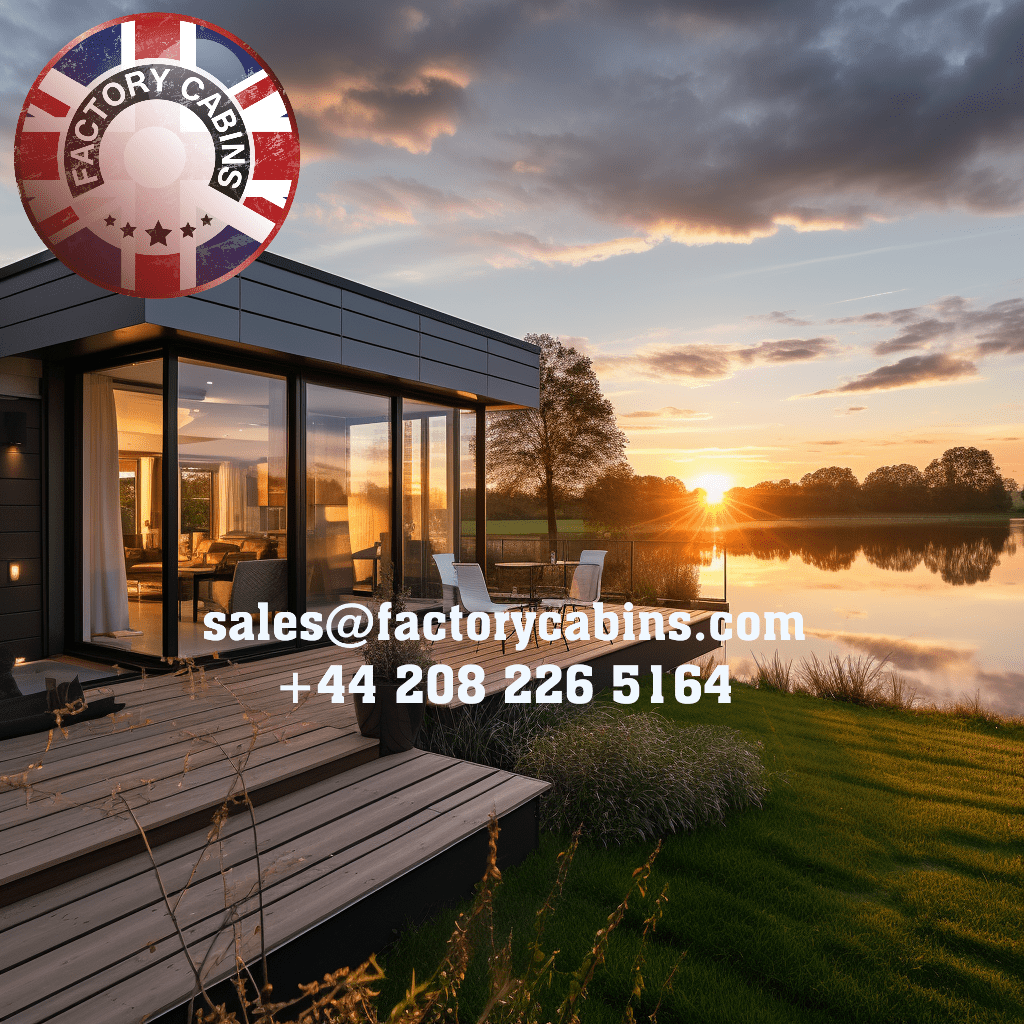
High‑quality rural cabin designs often include generous outdoor spaces, panoramic windows, and natural materials that harmonize with the landscape.
Living Close to Nature
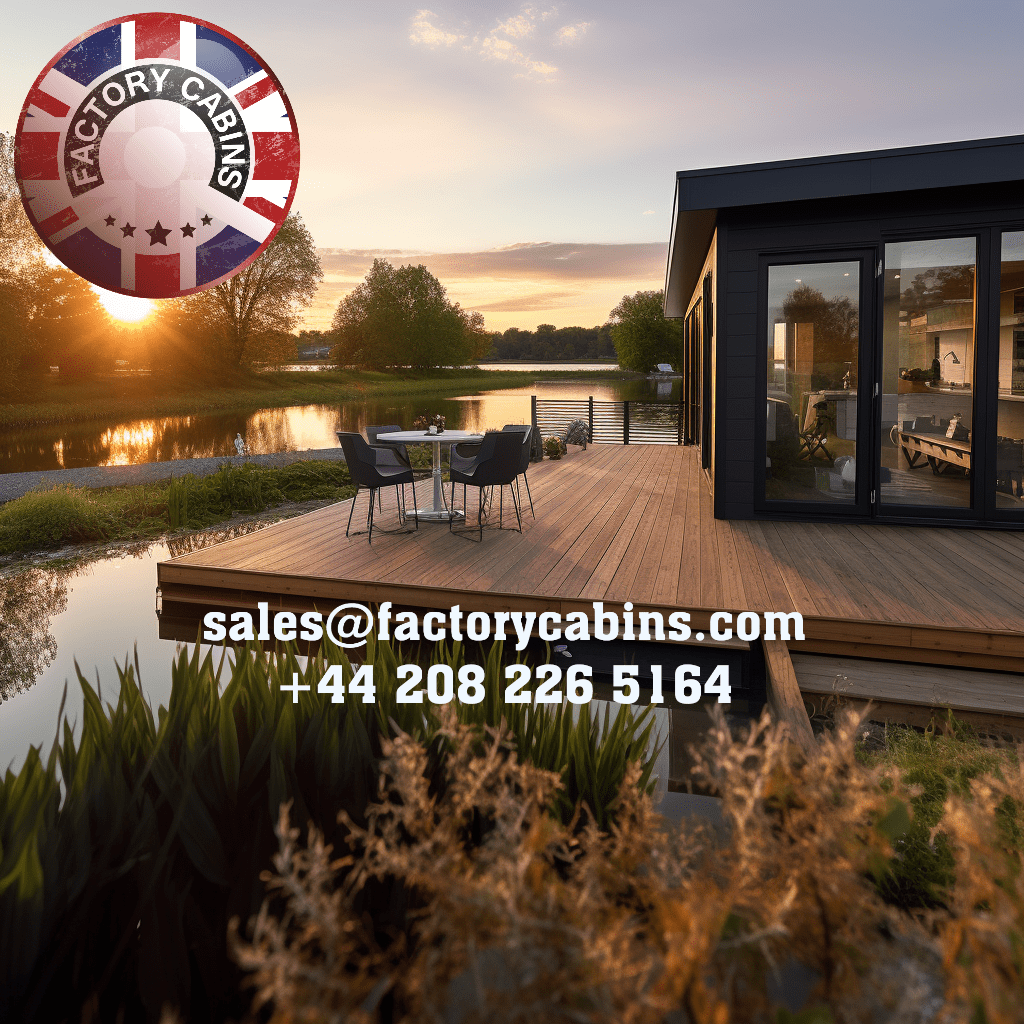
Factory cabins offer a peaceful retreat from urban life. Whether it’s morning walks in the forest or evenings by the fire, they provide a lifestyle that embraces nature without sacrificing comfort.
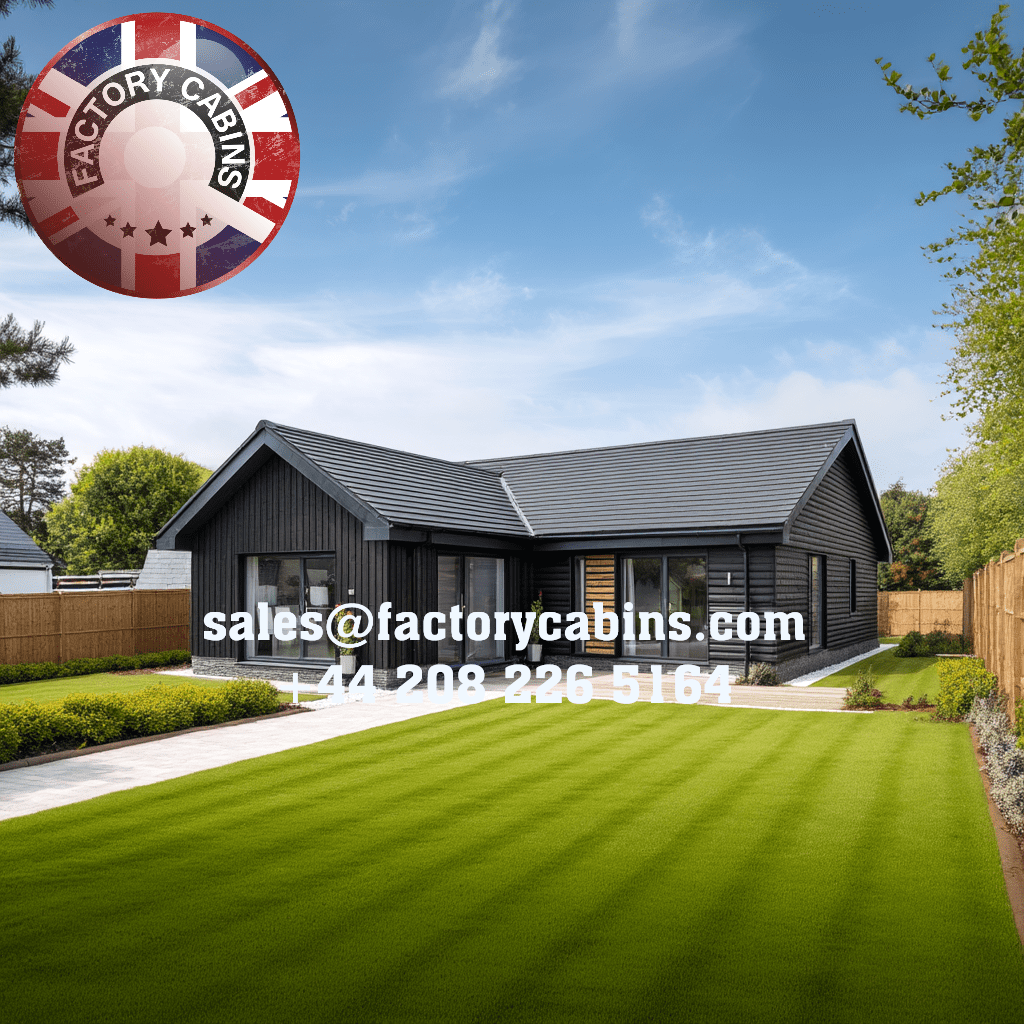
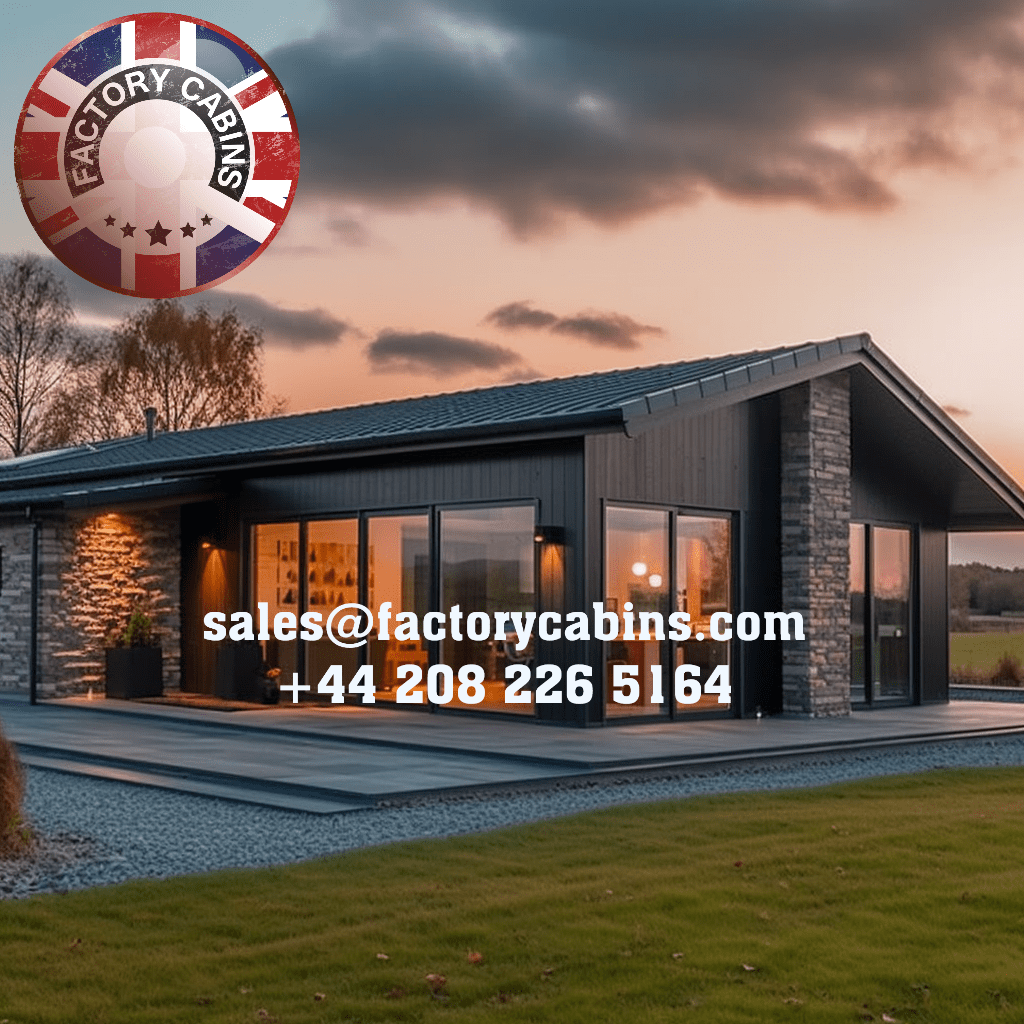
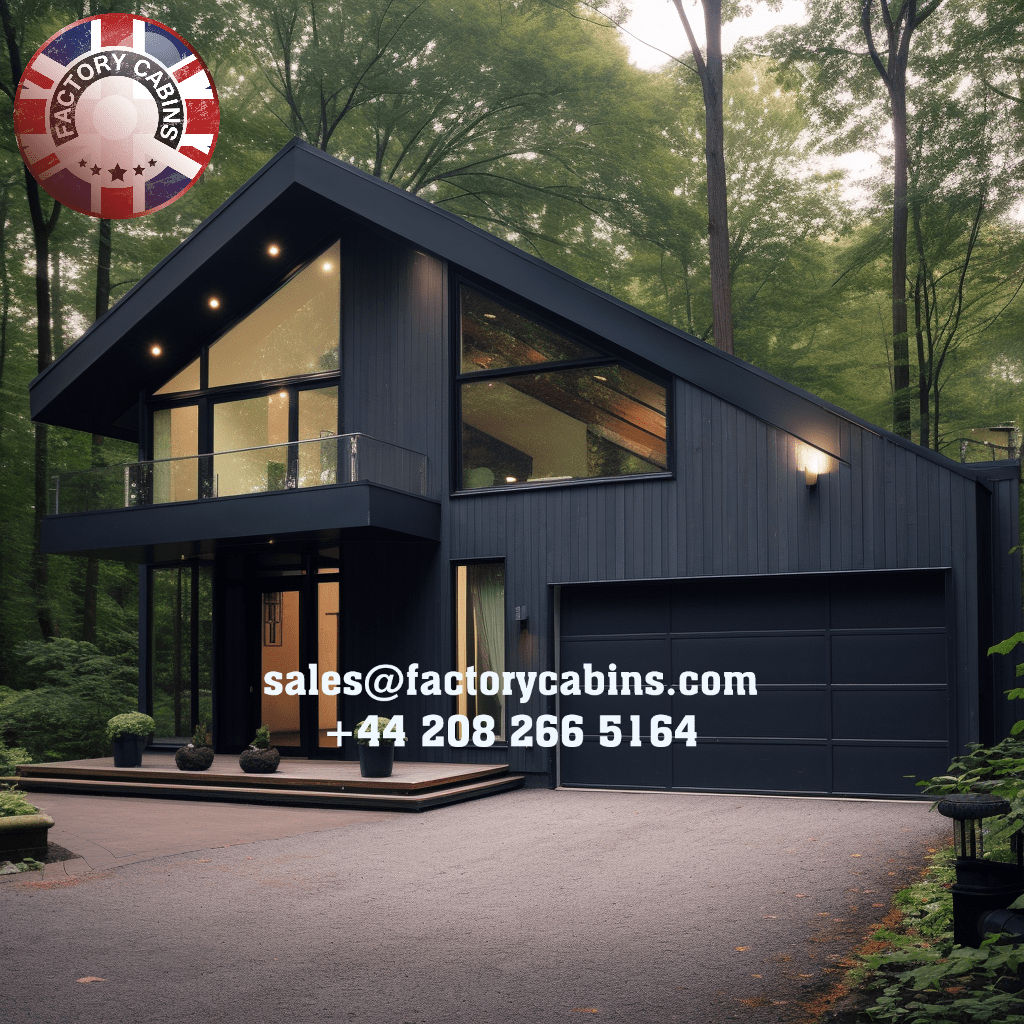
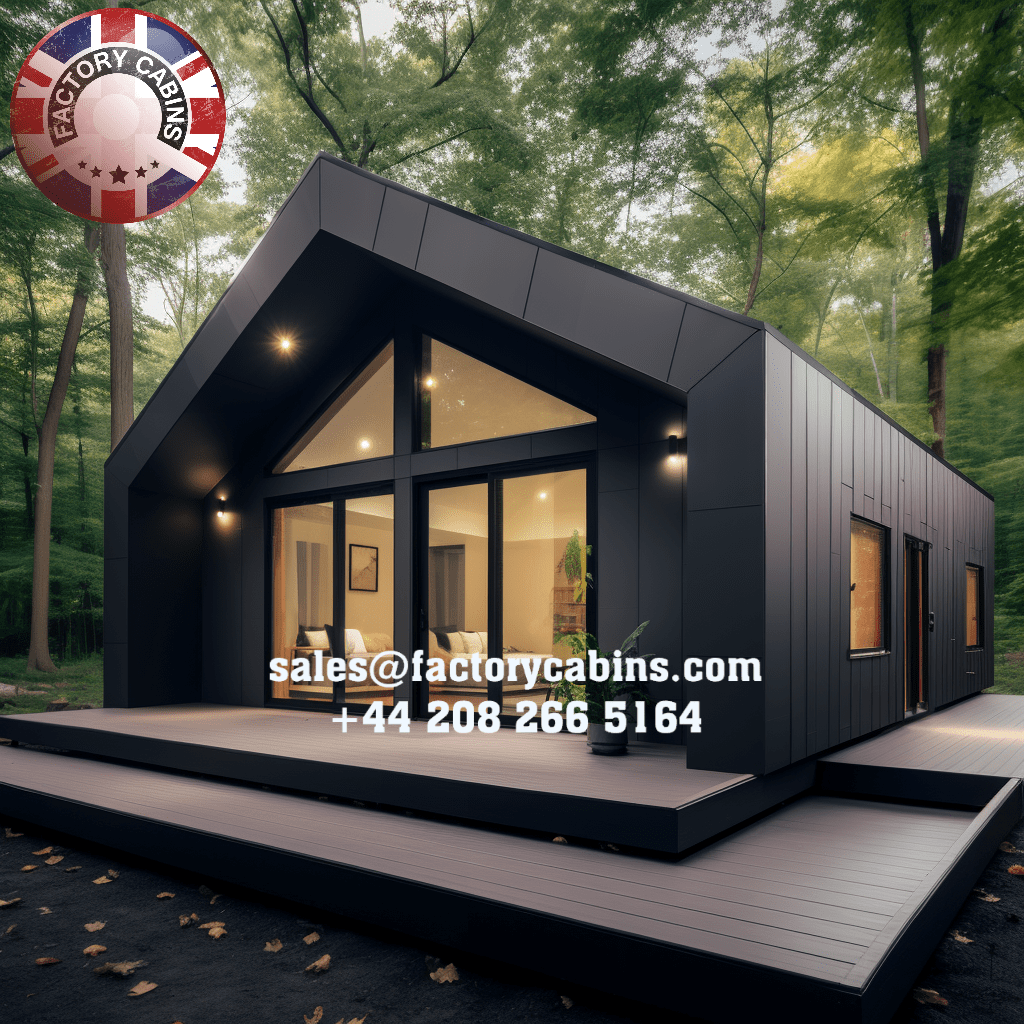
 1. The 2026 Collection – K Range!